Spaghetti Pomodoro
Newsletter
Subscribe at the bottom of this page for the Chic Eats roundup. It includes new and updated recipes along with a grab bag of unique content that was interesting enough to share around the dinner table.
Bewildered
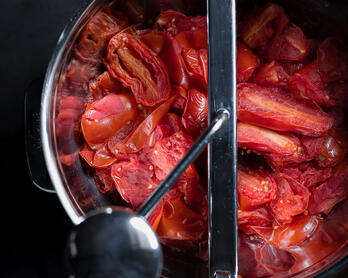
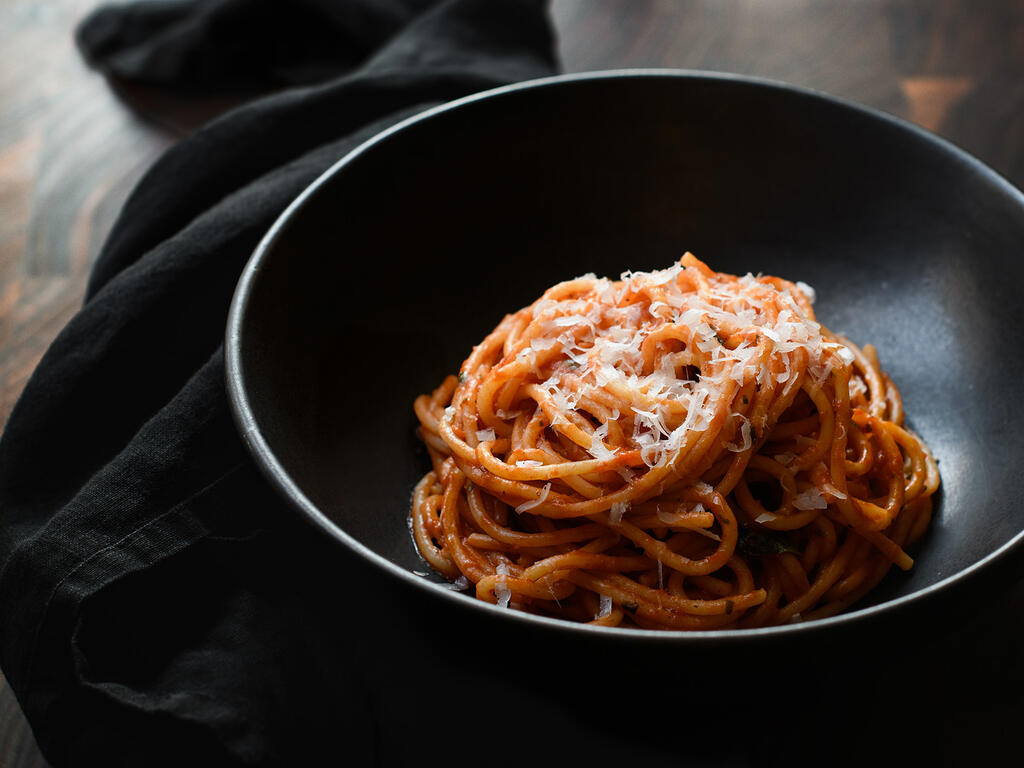
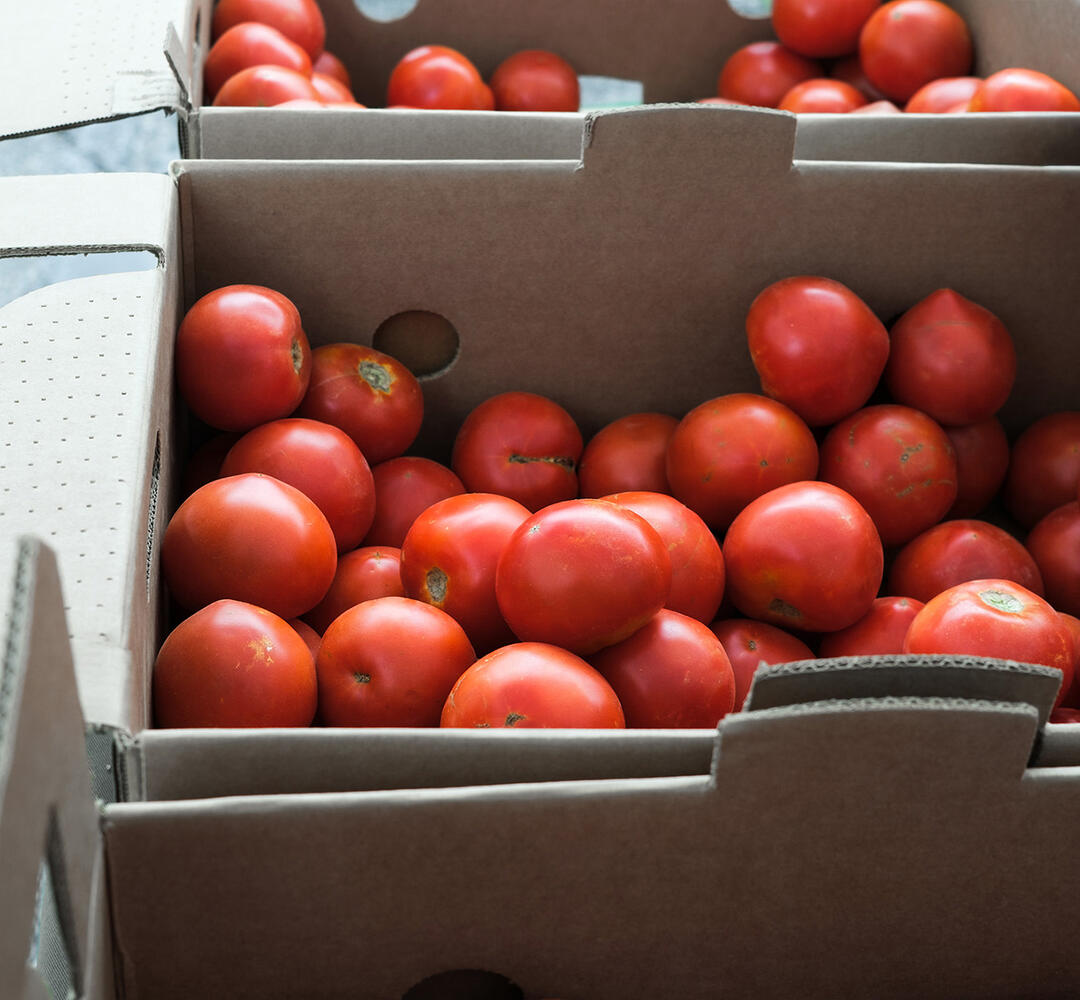
In my kitchen sat a bowl of tomatoes on the brink, as happens every summer, so I thumbed through old recipes looking for a way to honor their quiet excellence. It was Gjelina’s Spaghetti Pomodoro that grabbed my attention, mainly because the most recent edits dated back to 2017. I was properly bewildered—why hadn’t I enjoyed this dish recently, or at the very least written about it? I make Gjelina's Pomodoro Sauce like clockwork each year, yet I'd somehow drifted into using it for everything except the pasta it was intended for. This was an oversight in need of immediate fixing.
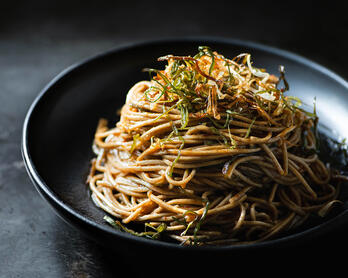
Spaghetti Pomodoro is an exercise in simplicity. Peak-season ingredients, gently coaxed, yield an intensity of acidity and sweetness that defies expectations, but never feels out of balance. It's like a chocolate chip cookie that pushes both sweet and savory without tipping off-kilter. I made this dish three times in the past couple of weeks and each bowl delivered. There's a specific kind of satisfaction when so few ingredients produce such exceptional flavor.
The process from stove to table is a low-effort affair, so I used the leftover bandwidth to look around for a new appetizer to try. I'm not sure what stars were aligned that day, but it was Gjelina's famed mushroom toast that resurfaced from my bottomless cooking to-do list. Like the pasta, it's outstanding and true to what's served at the restaurant—something I prize about the cookbook. These two recipes are now a permanent pair.
And this is why I love food—and cooking. A bowl of unassuming tomatoes can lead to meals and lessons I didn't know I was looking for. Spaghetti Pomodoro won't be slipping through the cracks again. For my mushroom redemption arc, see the toast post.
Around the Dinner Table
There's an art to finishing pasta in that each meal, even when it's the same recipe, will have its own nuance. The Splendid Table featured a conversation with Joshua McFadden that touched on why those last few minutes of cooking are a living, reactive process—not a rote step. It also covers some of the "why" on pasta types.
You literally are finishing cooking [the pasta] in the sauce, so it's absorbing and releasing starch at the same time, and then it all comes together. That's the magic.
And if you enjoy enthusiastic and entertaining conversations about Italian-American food, stick with the podcast for an interview with Christian Petroni.
Recipe Tips
No Two Sauces Are Alike
My tomatoes are different than your tomatoes, and so it goes with the sauce.
The thing to keep in mind is that, ideally, the pomodoro sauce should be neither thick and gloppy nor thin and watery. If you're in that goldilocks zone, a 1:1 ratio of sauce to pasta usually hits the mark. If your sauce is thinner, as mine sometimes is, add an extra couple tablespoons of sauce for every serving to account for needing to reduce it. There may be some tinkering to get a feel for your ideal ratio, but in all cases you'll make something delicious—don't sweat it. And if you accidentally thicken the sauce too much, just add a tablespoon of cooking water at a time to adjust. On the thinning note, tomato water could also work but having that on hand isn't a reasonable suggestion. Unless of course you have tomato water in the freezer, in which case you're a pro.
Tomato Circle of Life
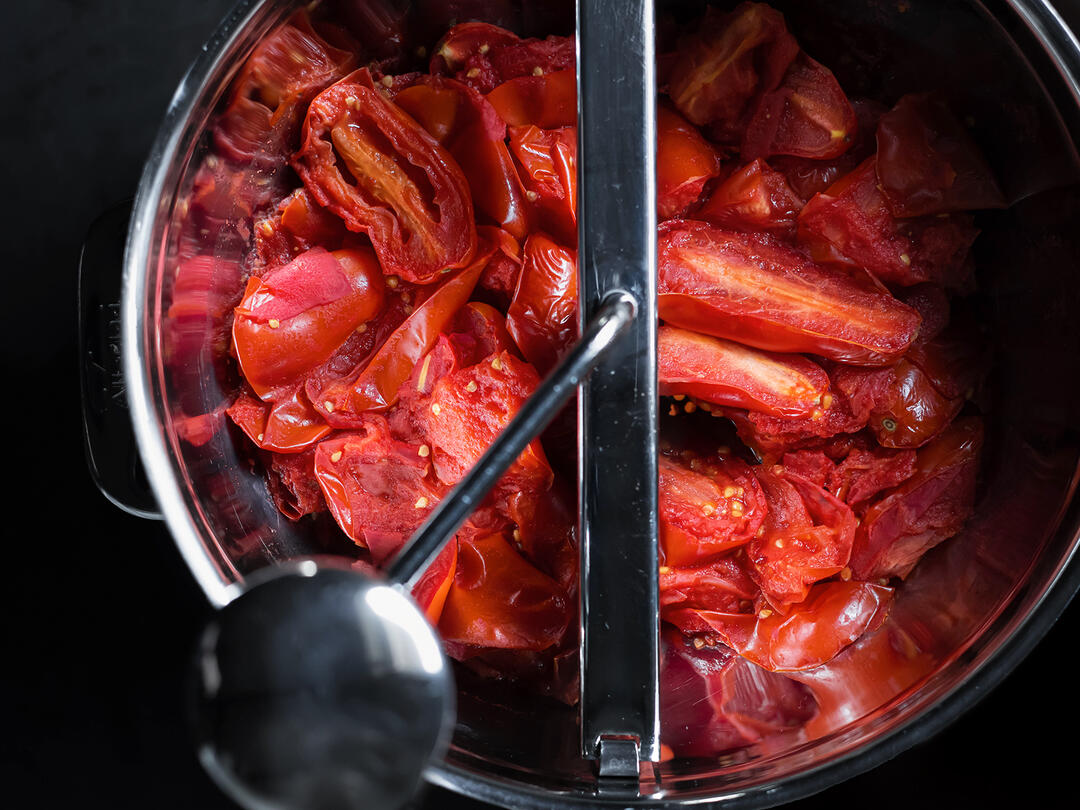
There are currently three recipes on the site that spin off from Gjelina's Pomodoro Sauce. All the parts from root to stem are beautiful and delicious.
Farmers | Artisans
I make an effort to source my food from California artisans with a special focus on the Santa Monica Farmers Market. Below is a list of the people who contributed to this dish.
- Munak Ranch // Tomatoes
- Finley Farms // Basil
- Frecker Farms // Basil
- Katz // Olive Oil
Tools
My Favorite Cooking Tools spotlights the kitchen equipment I’ve owned and used for years from bread baking to coffee brewing.
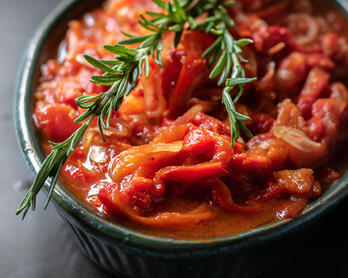
I was recently cleaning and documenting what's in my freezer and came across some vacuum-sealed pomodoro sauce from 2023. I rolled the dice and served it one night—the flavor was, to my palate, virtually unblemished. I also found some roasted red peppers that would have been past their prime had they not been vacuum sealed. The Rosemary-infused Peperonata I made with them was outstanding.
The point here is that if you're in the market, a vacuum-sealer will more than earn its keep by reducing food waste alone. Harder to quantify is the pleasure of spelunking through your freezer and finding little treasures that are still good to eat.
I knew I wanted to vacuum-seal liquids, which chamber units allow, so I went all in with a VacMaster VP210. It's a restaurant-grade machine that doesn't require routine maintenance. It's also not small, which is worth keeping in mind. The next model up is more powerful and does require maintenance—not really necessary for a home kitchen. I've owned mine for seven years and it has exceeded my expectations. It's great for freezer organization, helps me store interesting components for a future (sometimes much later) date, and generally extends the lifespan of food. In terms of purchase price, I recommend comparison shopping—I've seen some curious markups.
Math is Fun
The main recipe at the bottom serves four people so feel free to skip this section if that's your aim. For anyone else that needs to scale for one person, two, or more, here is the breakdown to help with that.
Single Serving
- 120 grams (4 ounces) spaghetti
- 120 grams (4 ounces / 1/2 cup) Gjelina's Pomodoro Sauce Note: See also Recipe Tips
- 1 gram (1 to 2) basil leaves, cut into a chiffonade
- 1/8 teaspoon dried oregano (Sicilian preferred), more as desired
- 1 pinch red pepper flakes
- 1 tablespoon extra-virgin olive oil
- Flaky sea salt
- Freshly ground black pepper
- Parmigiano Reggiano for finishing
Ingredients (Serves 4 adapted from Gjelina)
- 480 grams (16 ounces) spaghetti
- 480 grams (16 ounces / 2 cups) Gjelina's Pomodoro Sauce Note: See also Recipe Tips
- 4 grams (about 6) basil leaves, cut into a chiffonade
- 1/2 teaspoon dried oregano (Sicilian preferred), more as desired
- 1/8 teaspoon red pepper flakes
- 4 tablespoons extra-virgin olive oil Note: That may sound like a lot, but it's actually less than the cookbook calls for. The fruitiness of the olive oil is essential so trust the process.
- Flaky sea salt
- Freshly ground black pepper
- Parmigiano Reggiano for finishing
Instructions (Adapted from Gjelina)
Warm
- Place your serving bowls in the oven and heat to 175°F/79°C. According to the internet—and laws of thermodynamics—placing cold bowls in a warm oven can cause them to crack. The thermal shock from the sudden temperature shift stresses ceramic and glass, which can lead to breakage.
Cook
- Bring a large pot of salted water to a boil. Many recipes suggest salting so that it “tastes like the sea," but I don't go quite that far. Salty, but still palatable, is sufficient since some water may end up in the dish.
- In a pan big enough to add the pasta, combine 480 grams (16 ounces) of sauce, 1/2 teaspoon Sicilian oregano, and 1/8 teaspoon red pepper flakes then warm to a simmer. Taste for salt and pepper, then turn the heat off and cover with a lid. See No Two Sauces Are Alike above for texture tips.
- Cook the 480 grams (16 ounces) of pasta until just shy of al dente. About halfway through the cooking process, ladle 120 grams (4 ounces) of water and set it aside. That's way more water than you'll need and you may not need any at all.
- Transfer the drippy noodles directly to the sauce (do not rinse) and cook over medium-high heat, tossing constantly, making sure to incorporate the sauce hiding in the corners of the pan. The pasta should reach the right texture and become one with the sauce at about the same time—this takes roughly two minutes.
- Turn the heat off, drizzle the olive oil over top, add the basil, then toss briskly to incorporate. Plate in your warm bowls. My approach is to layer—add half of the serving, grate some Parmigiano Reggiano, then plate the rest and finish with more cheese. Why do the noodles on top get to have all the fun?
Newsletter
Subscribe at the bottom of this page for the Chic Eats roundup. It includes new and updated recipes along with a grab bag of unique content that was interesting enough to share around the dinner table.